Six Figures on the Odometer: The Quiet Routines of Riders Whose Hondas Simply Refuse to Die
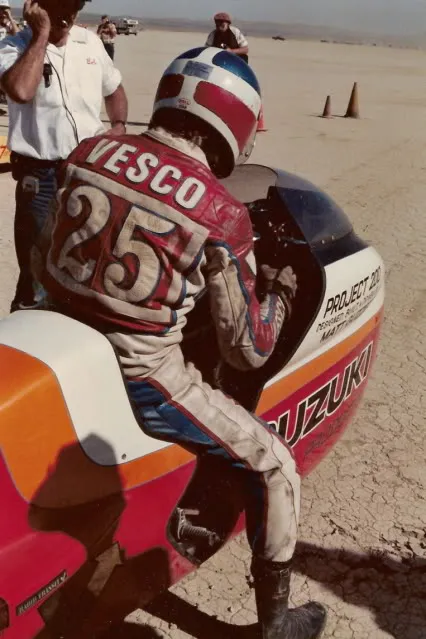
Photo: Matt Guzzetta, CC BY-SA 3.0, via Wikimedia Commons
Every service department has a short list of motorcycles it never expects to see on a lift for anything serious. At our shop, the bikes with six-figure odometers are almost always the same models ridden by the same kind of owners—and after years of asking those owners questions, the pattern is hard to ignore.
High-mileage Hondas are not an accident of engineering alone. The engineering is excellent, but it is the ownership habits underneath that separate the machines that cruise past 100,000 miles from the ones that do not. Here are the five habits that show up again and again.
1. They Warm the Engine Before They Work It
Long-haul owners are patient for the first five minutes of every ride. There is a mechanical reason: oil reaches full working viscosity and full circulation only after the engine warms, and the clearances inside a cold engine are at their loosest. Loading an engine hard in the first minutes of a ride accelerates wear on cam lobes, piston skirts, and cylinder walls.
Riders who idle gently for a minute and keep the first miles easy routinely post valve-train wear numbers that look tens of thousands of miles younger than the odometer suggests.
2. They Treat Oil Changes as Calendar Events, Not Mileage Events
The owners of 100,000-mile bikes do not wait for the odometer to remind them. They change oil on the schedule whether they have ridden 3,000 miles or 300—because oil degrades with time and moisture as much as with distance. Short American commuting cycles, with repeated cold starts, are particularly hard on oil, condensing water and fuel into the crankcase.
The mechanical logic is simple: oil is the cheapest insurance policy an engine ever carries, and its premium is due on time regardless of how far you rode.
3. They Store the Bike Like It Matters
Ask a high-mileage owner where the bike sleeps and the answer is almost never "the curb." Covered storage, a battery tender through winter, fuel stabilized before long sits—these habits sound fussy until you compare fuel systems. Ethanol-blended gasoline absorbs water and gums injectors and carburetors when a bike sits for weeks.
Corrosion inside a fuel system and a sulfated battery are two of the most common "mystery failures" that end otherwise healthy motorcycles early. Storage discipline prevents both for the cost of a can of stabilizer and an overnight outlet.
4. They Fix Small Things Immediately
Every long-haul rider we have met reacts to a minor symptom—a slightly stiff control, a faint noise, a half-ounce of oil on the case—with the same instinct: find out now. Small faults on a motorcycle rarely stay small. A dragging brake pad becomes a warped rotor. A loose chain becomes a ruined sprocket set and countershaft seal.
The riders whose bikes reach six figures treat the motorcycle the way a pilot treats an aircraft: any anomaly gets attention before the next ride, not after the next season.
5. They Keep the Paper Trail Alive
This is the habit that surprises people. The highest-mileage owners are also the most meticulous record keepers—dated receipts, logged services, notes on valve clearance checks. Partly this is resale discipline. But it is also diagnostic discipline: a documented history lets a technician spot trends, like slowly rising oil consumption, before they become failures.
The Common Thread
Notice what is absent from this list: exotic products, expensive modifications, obsessive garage rituals. The habits of 100,000-mile Honda owners are boring, repeatable, and cheap. That is precisely the point. Longevity is not bought—it is accumulated, one unremarkable routine at a time.