A Dealership 9,000 Miles Away That Might Change How You See Your Own
There is a particular kind of frustration familiar to American Honda riders: the feeling of walking out of a service appointment with a receipt in hand but no real sense of what was done, why it was done, or whether it needed to be done at all. The interaction was efficient. The waiting room had decent coffee. And yet something was missing.
That missing element has a name in Bandung, Indonesia's third-largest city and one of the country's most active Honda motorcycle markets. At dealerships like Honda Motor Bandung, it is called kepercayaan—a word that translates roughly to trust, but carries the weight of an earned, ongoing relationship rather than a single transaction completed and forgotten.
This article is not a sales pitch. Honda Motor Bandung does not service American motorcycles from a shop in West Java. What it does offer, however, is a model—a set of operational standards and customer practices that American riders can use as a measuring stick when evaluating their own dealer relationships.
Volume as a Teacher, Not Just a Metric
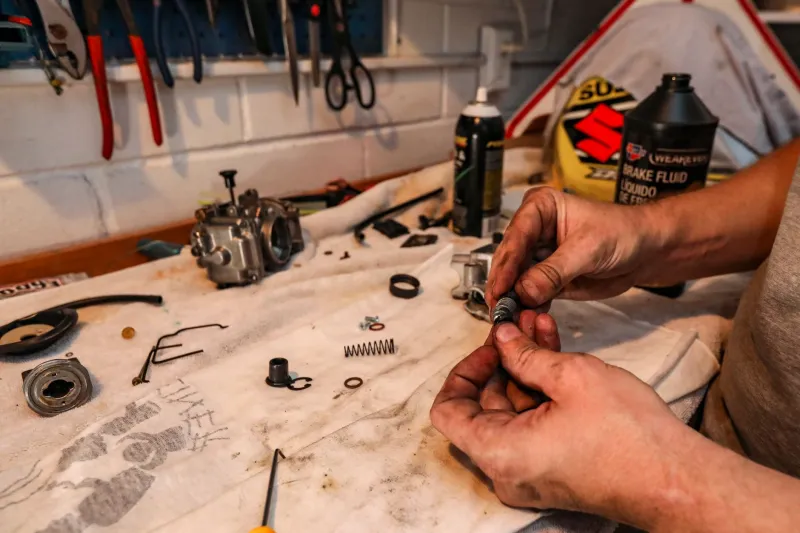
One of the first things that distinguishes high-volume Indonesian Honda dealerships from their American counterparts is the sheer density of daily service work. In a city like Bandung, motorcycles are not weekend leisure vehicles. They are primary transportation for millions of residents navigating urban traffic, mountain roads, and tropical weather conditions that push mechanical systems to their limits on a daily basis.
This volume matters because it compresses the learning curve for technicians dramatically. A mechanic at a busy Bandung dealership may encounter more distinct failure patterns, unusual wear presentations, and edge-case repairs in a single month than an American dealer technician sees in a year. That experiential depth creates a diagnostic fluency that goes beyond scanner readouts and into genuine mechanical intuition.
For American riders, the practical question becomes: how many bikes does your dealership actually service each week, and does that volume translate into technical confidence you can feel during your own appointment?
The Documentation Habit That Starts on Day One
At Honda Motor Bandung and dealerships operating under similar standards across Indonesia, documentation is not an afterthought. It begins at the first service appointment and follows the motorcycle through every subsequent visit. Service history is treated as a living record—one that future technicians consult before touching the bike and that owners reference when making decisions about upgrades, part replacements, or eventual resale.
In the United States, this level of documentation discipline is inconsistent at best. Many dealers maintain digital records internally, but those records rarely travel with the owner if they switch shops, and they are almost never presented to the customer in a format that builds genuine understanding of the motorcycle's condition over time.
The Bandung standard asks a simple question that American riders should start asking their own dealers: can I leave today with a clear written summary of what was inspected, what was found, and what was done—in language I can actually read?
Relationship Over Transaction
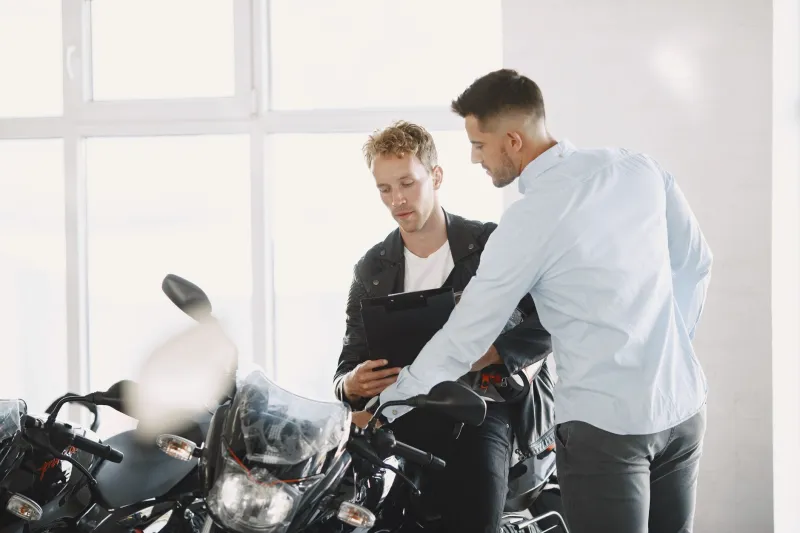
Perhaps the most culturally distinct aspect of the Indonesian dealer experience is the expectation that the relationship between rider and dealership extends beyond the service bay. Service advisors at leading Indonesian Honda dealers are expected to know repeat customers by name, recall the history of their specific motorcycle, and proactively flag upcoming maintenance needs before the rider has to ask.
This is not simply good manners. It is a structural commitment to long-term customer retention rooted in the understanding that a rider who trusts their dealer completely will not shop around for cheaper oil changes or take their bike to an unauthorized shop when something sounds unusual.
American dealerships, particularly in suburban markets where competition is fierce and customer loyalty is harder to earn, would benefit from examining this model seriously. The transaction-first orientation that dominates much of the U.S. dealer experience creates a cycle of low trust and low retention that ultimately serves no one well.
What to Ask Your Dealer Starting Tomorrow
Using Bandung's service philosophy as a benchmark does not require booking a flight to West Java. It requires raising your expectations at home. Here are four questions worth bringing to your next dealer appointment:
First: Does the technician who services my bike today have access to the complete service history from my previous visits, including visits to other shops if I have transferred those records?
Second: After this appointment, will I receive a written summary that includes not just what was done but what was inspected and found to be within acceptable parameters?
Third: Based on my current mileage and riding conditions, what should I be watching for over the next three to six months, and when should I schedule my next visit?
Fourth: If I have a specific concern about a sound, a handling characteristic, or a performance change, will a technician with diagnostic experience—not just a service writer—speak with me directly?
If your dealer answers all four of these questions confidently and delivers on those answers, you have found something genuinely valuable. If the response is hesitation, deflection, or a vague promise, you now have a clearer picture of what you are working with.
The Benchmark Is the Point
Honda Motor Bandung exists in a specific city, serving a specific market, under conditions that American riders will never encounter directly. But the principles that guide a well-run Indonesian Honda dealership—technical depth, documentation discipline, relationship-centered service, and genuine accountability to the customer—are not geographically limited.
They are simply standards. And standards, once you know they exist somewhere in the world, become harder to stop expecting everywhere else.