What Bandung's Owner Education Model Reveals About the American Honda Rider's Blind Spots
Most American Honda riders walk out of a dealership knowing two things: their monthly payment and where the nearest gas station is. What they rarely leave with is a working understanding of the machine they just purchased—its maintenance rhythm, its early warning signals, or the basic roadside checks that could prevent a minor inconvenience from becoming a significant repair. This is not an accident. It is the predictable result of a sales culture that prioritizes transaction speed over owner preparation.
In Bandung, Indonesia, the relationship between a Honda dealer and a new owner begins differently. At Honda Motor Bandung, customer education is not an optional add-on or a downloadable PDF buried in the owner's portal. It is a structured part of the ownership experience, delivered in person and reinforced over time. The outcomes of that investment are worth examining closely—because they have direct implications for American riders who want to get more from their Honda and less from their repair shop.
Why Education Became Standard Practice in Indonesia
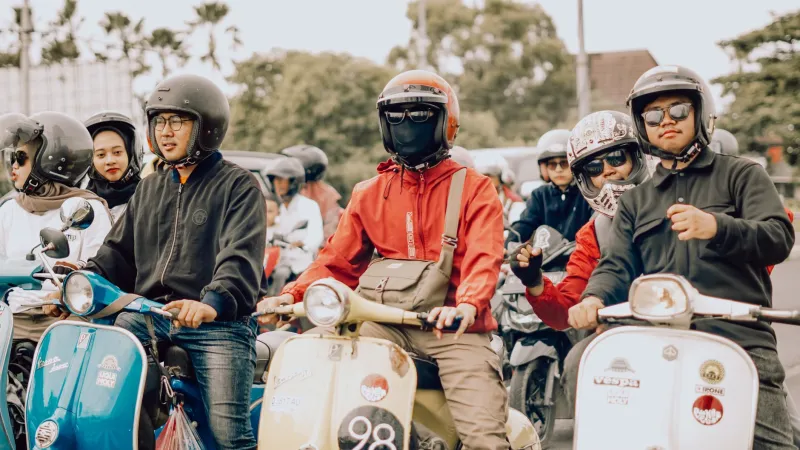
Understanding why Indonesian dealerships developed this model requires a brief look at context. In cities like Bandung, motorcycles are not recreational vehicles for weekend rides on scenic highways. They are primary transportation, used daily in dense urban traffic, across varied road surfaces, and through weather conditions that range from punishing heat to heavy monsoon rainfall. A motorcycle that goes down is not an inconvenience—it is a disruption to a family's livelihood.
This practical dependency created a natural incentive for dealers to produce capable, informed owners. A customer who understands how to check tire pressure, identify abnormal chain slack, or recognize the early signs of brake fade is a customer whose motorcycle returns to the service bay on schedule rather than arriving on a flatbed. The education model, in other words, is not altruism. It is sound business practice built on a recognition that an informed owner is a better long-term customer.
American dealerships, operating in a market where motorcycles are more often discretionary purchases, have been slower to adopt this logic. The result is a widespread ownership culture where riders are dependent on dealers for knowledge they could reasonably acquire themselves—and often pay for that dependence in unnecessary service calls.
What the Bandung Education Model Actually Looks Like
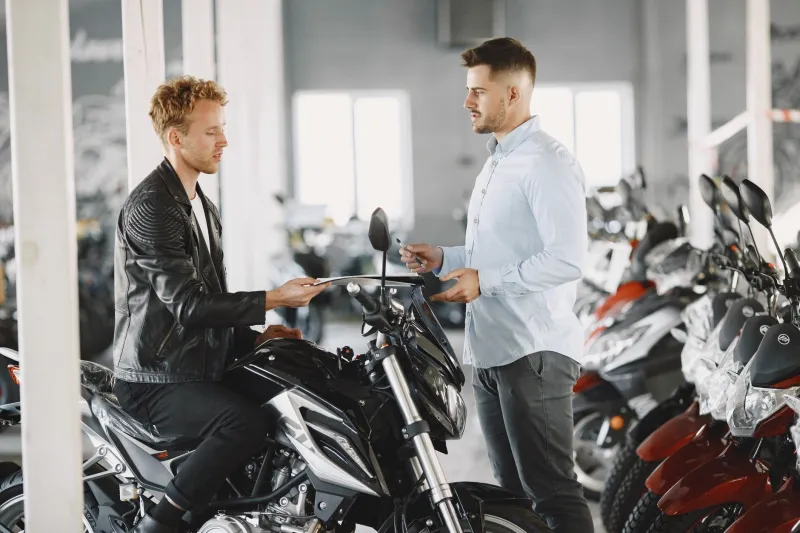
At Honda Motor Bandung, the educational relationship with a new owner typically begins at delivery. Rather than a brief walkthrough of the instrument cluster and a handshake, a delivery appointment includes a structured orientation covering the motorcycle's maintenance schedule, the specific indicators the owner should monitor between service visits, and a hands-on demonstration of basic checks the rider can perform independently.
These checks are not complicated. They include visual inspection of tire sidewalls for cracking or unusual wear patterns, chain tension assessment using a simple touch test, brake fluid level verification, and coolant reservoir monitoring on liquid-cooled models. None of these procedures require specialized tools. All of them, performed consistently, can catch developing problems weeks or months before those problems require professional intervention.
Beyond the delivery orientation, Honda Motor Bandung maintains an ongoing educational dialogue with its customers. Service visits include a brief debrief in which the technician explains what was found, what was corrected, and what the owner should watch for before the next scheduled appointment. This is not a sales pitch for additional services. It is a transfer of operational knowledge that makes the owner a more effective steward of their machine.
The Measurable Benefits: Longevity, Safety, and Savings
The effects of this educational investment are visible in the data that emerges from markets where it is practiced consistently. Motorcycles whose owners perform regular basic checks between service visits show meaningfully lower rates of premature component failure. Chain and sprocket wear, for example—one of the most common sources of avoidable drivetrain expense—is significantly reduced when owners are taught to identify and correct tension issues before they accelerate wear on adjacent components.
Rider safety benefits are equally significant. An owner who understands what degraded brake feel indicates is an owner who schedules a brake inspection rather than continuing to ride on compromised hardware. An owner who recognizes the handling signature of an underinflated rear tire is an owner who stops at a gas station rather than discovering the problem mid-corner.
From an insurance perspective, educated owners file fewer claims. This is not a speculative assertion—it reflects the straightforward reality that many motorcycle accidents and mechanical failures have identifiable precursor conditions that an informed rider can recognize and address. The American insurance industry's persistent difficulty in reducing motorcycle claim frequency is, in part, a function of the ownership education gap that Indonesian dealers have largely closed.
Practical Steps American Honda Owners Can Take Right Now
The structural reality is that most American dealerships will not spontaneously adopt the Bandung model. The incentives are not yet aligned in the same way, and the cultural expectation of transactional service is deeply embedded. That does not mean American riders are without options.
The first and most accessible step is to request a genuine orientation at delivery or at your next service visit. Ask your service advisor to walk you through the specific maintenance indicators relevant to your model—not the generic schedule in the owner's manual, but the real-world signals that their technicians watch for in your particular machine. A good advisor will welcome this conversation. One who deflects it is telling you something important about the quality of partnership you can expect.
Second, invest thirty minutes in learning the three or four basic checks most relevant to your riding conditions. If you commute daily in stop-and-go traffic, chain condition and brake wear are your priority indicators. If you ride primarily at highway speeds, tire condition and wheel bearing feel deserve your attention. The Honda owner's manual is a useful starting point, but a ten-minute conversation with your service technician will teach you more than an hour of independent reading.
Third, ask your dealer whether they offer any owner education sessions, clinics, or community riding events. Many Honda dealerships in the United States do organize these programs, though they are not always prominently advertised. Participating in them connects you with other riders and builds the kind of community knowledge network that Indonesian dealerships cultivate as a matter of course.
The Rider You Become When You Actually Understand Your Bike
There is a confidence that comes from knowing your motorcycle—not just riding it, but understanding its rhythms, its normal sounds, its characteristic feel at various operating temperatures. Riders who possess that knowledge make better decisions in traffic, respond more effectively to unexpected mechanical signals, and maintain their machines with a consistency that extends service life in ways that irregular professional-only maintenance cannot replicate.
This is what Honda Motor Bandung's educational philosophy ultimately produces: not just longer-lasting motorcycles, but more capable, more connected riders. The American Honda community deserves the same foundation. The first step toward building it is simply deciding that knowing your bike is worth the effort—and finding a dealer willing to help you get there.