What Your Service Stamp Says About Your Selling Price: The Global Maintenance Advantage American Honda Owners Are Missing
When an American rider lists a used Honda for sale, the conversation almost always centers on mileage, cosmetic condition, and asking price. What rarely enters that conversation—but is beginning to—is the origin and depth of the maintenance record. A growing number of private buyers and independent dealers across the United States are paying closer attention to documented service histories that cross international borders, and what they are finding is rewriting assumptions about what a well-maintained Honda actually looks like.
The data is subtle but directional. Motorcycles accompanied by verified service records from established Honda centers abroad—particularly those operating in high-demand markets like Indonesia—are increasingly attracting buyers who recognize that volume, consistency, and manufacturer alignment tell a more complete story than a handful of domestic oil-change receipts.
Why Foreign Service Documentation Carries Weight
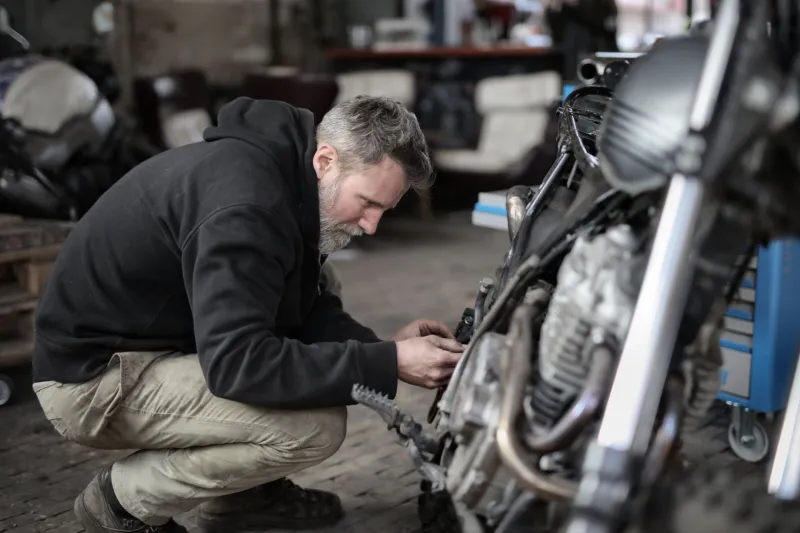
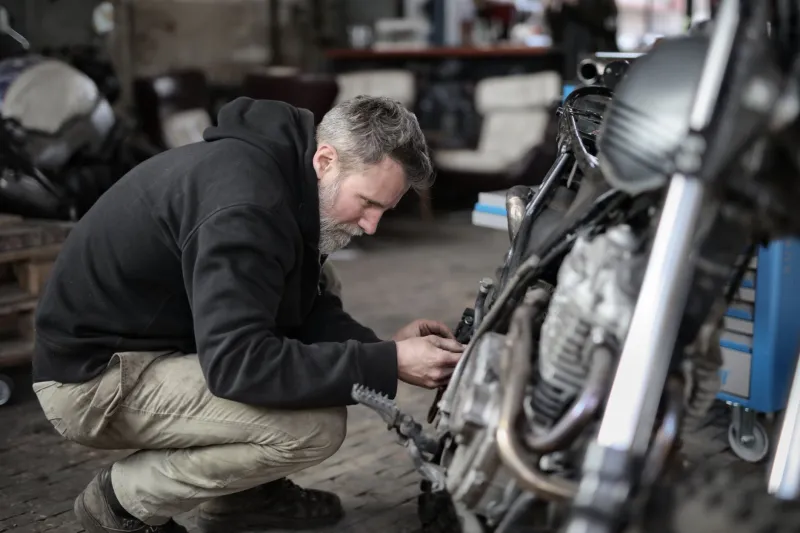
The first instinct of many American sellers is to assume that overseas paperwork creates confusion rather than confidence. In practice, the opposite is proving true among informed buyers. An authorized Honda service center operating in Bandung, Indonesia processes a volume of motorcycles that most American dealerships cannot match in a calendar year. The sheer throughput demands precision, standardization, and accountability at every step of the maintenance process.
When a buyer examines a service booklet stamped and dated by such a facility, they are looking at documentation produced within a system that Honda itself has certified and continues to monitor. The parts used are genuine Honda components. The procedures follow manufacturer specifications. The technicians are trained within Honda's global framework. For a buyer who understands these systems, that stamp carries institutional credibility that is difficult to dismiss.
This matters because the American used motorcycle market, particularly for Honda models, has become increasingly sophisticated. Online communities, valuation platforms, and inspection services have educated a generation of buyers who know the difference between a bike that was serviced and a bike that was properly serviced. Foreign records from authorized centers satisfy the latter standard in ways that informal domestic maintenance cannot.
The Transparency Premium
One of the more interesting dynamics emerging in private sales is what might be called a transparency premium. Sellers who proactively share comprehensive international service documentation—translated where necessary, organized chronologically, and accompanied by receipts or digital records—are reporting faster sales cycles and stronger final offers.
This makes intuitive sense. A buyer who can trace every major service interval, verify the parts used, and confirm that the work was performed at an authorized facility is a buyer who feels far less risk. Reduced perceived risk translates directly into willingness to pay. Conversely, a bike with a thin or fragmented domestic service history forces the buyer to price in uncertainty, and that uncertainty almost always comes out of the seller's pocket.
For Honda owners who have had their motorcycles serviced at centers like Honda Motor Bandung during periods of international travel or extended overseas residence, the documentation generated during those visits is not a curiosity—it is a financial asset. Treating it as such, and presenting it effectively during a sale, can meaningfully shift the final transaction price.
What American Dealers Are Slowly Learning
The independent dealer community in the United States has been quicker to adapt to this reality than franchise operations. Independent dealers who specialize in used Japanese motorcycles have long understood that provenance matters. A bike with a documented history in Japan, for instance, often commands respect because Japanese maintenance culture is understood to be rigorous and consistent. The same logic is beginning to extend to Indonesian Honda documentation as awareness of that market's scale and standards grows.
Franchise dealerships, by contrast, have historically been reluctant to engage with foreign service records in any meaningful way. Part of this reflects institutional inertia. Part of it reflects a financial incentive to discount the value of work performed outside their own service bays. But the pressure from informed private buyers is beginning to force a recalibration. Dealers who want to move used inventory quickly are finding that buyers who have done their research are asking pointed questions about maintenance origin—and that the answers affect offer prices.
This shift is not yet universal, but the direction is clear. As the global Honda ownership community becomes more connected through digital platforms, the assumption that domestic service is inherently superior to foreign service is becoming harder to sustain.
How Bandung Fits Into the American Resale Equation
Bandung occupies a specific and instructive position in this conversation. As one of Indonesia's largest urban centers, the city sustains a motorcycle market of enormous scale. Honda Motor Bandung and facilities like it operate within a competitive, high-volume environment that rewards technical precision and customer documentation. The service culture that has developed in this context is not incidental—it is the product of market pressure, manufacturer oversight, and a customer base that depends on their motorcycles for daily transportation.
For an American Honda owner who has had their bike serviced in Bandung, the records produced in that environment reflect all of those pressures. They are detailed because the market demands detail. They are accurate because Honda's regional oversight requires accuracy. And they are increasingly recognized by informed American buyers as a mark of genuine care.
The practical implication is straightforward. If you own a Honda that was maintained at an authorized center abroad, do not treat those records as an afterthought when it comes time to sell. Organize them. Translate them if necessary. Present them alongside domestic documentation as part of a coherent maintenance narrative. The buyers who understand what they are looking at will reward you for it.
Building the Narrative Before the Sale
The window for maximizing the resale impact of international service records does not open at the moment of listing. It opens the moment the service is performed. Owners who request detailed documentation at the time of service—itemized invoices, parts specifications, technician notes—are positioning themselves for a stronger sale long before they have decided to sell.
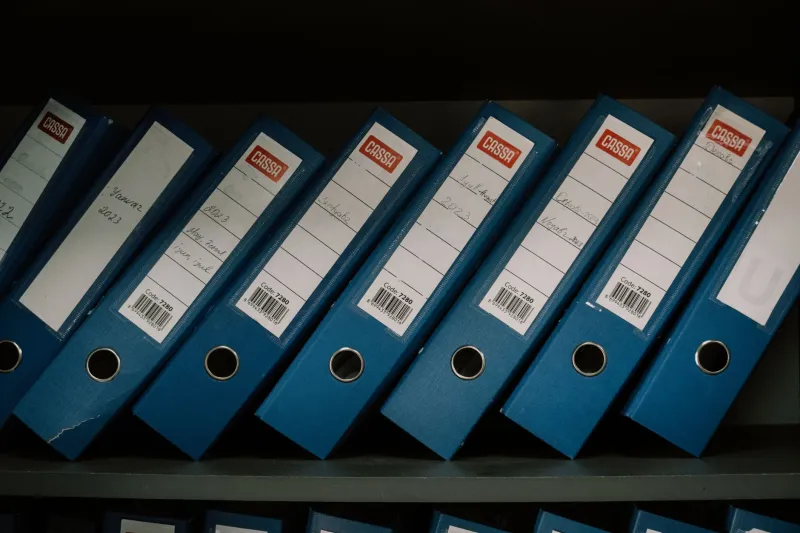
Digital records are particularly valuable in this context. A scanned service booklet, a photographed invoice, or a digital receipt stored alongside domestic maintenance records creates a chain of evidence that a buyer can examine with confidence. The more complete that chain, the more difficult it becomes for a buyer to justify a lowball offer on grounds of uncertainty.
American Honda owners who have not yet thought about their international service documentation in these terms have an opportunity to reframe their perspective. The global Honda network is not a complication to be explained away. It is a credibility structure that, when properly documented and presented, supports a stronger resale position than most domestic service histories can match.
The market is beginning to recognize this. The sellers who recognize it first will be the ones who benefit most.