The Cheapest Motorcycle Purchase Is Increasingly the Most Expensive Motorcycle to Own
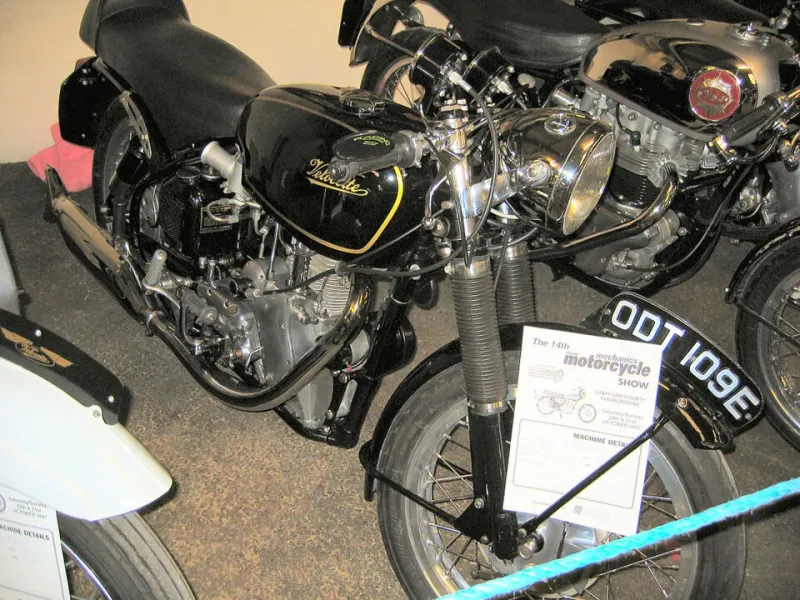
Photo: Ronald Saunders from Warrington, UK, CC BY-SA 2.0, via Wikimedia Commons
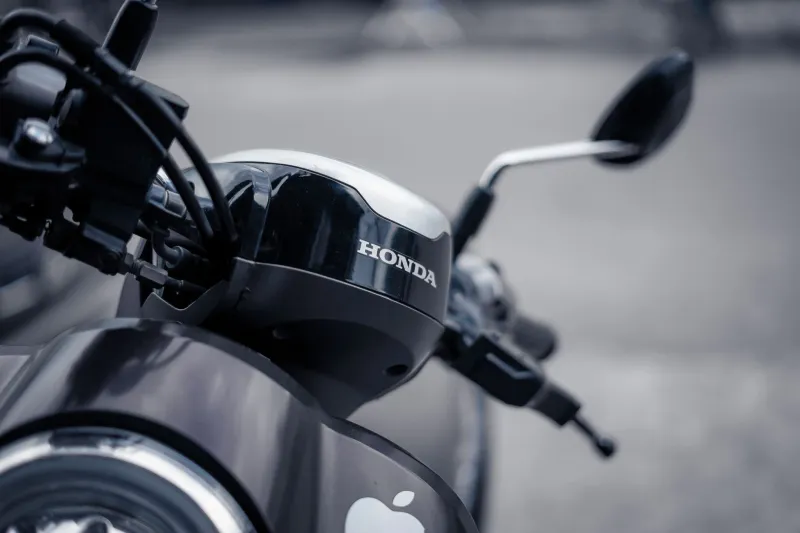
American shoppers have been trained, over two decades of e-commerce, to believe that the best deal is the one found online, completed alone, and delivered in a crate. Motorcycles have joined the category. Browse a national marketplace, click, pay, and ten days later a new Honda arrives at your door—no showroom, no salesperson, no small talk.
For the purchase itself, the savings can be real. But the purchase is the smallest part of motorcycle ownership, and it is precisely the parts that follow—the warranty claims, the recall notices, the first service, the winter storage question—where the online-only model begins to show its costs.
The Transaction Is Not the Relationship
A motorcycle is not a book or a mattress. It is a machine with a warranty that assumes a service network, a manufacturer that issues recalls, and an owner who will eventually need someone who knows the bike's history.
Consider what happens when a recall notice arrives. For an owner with a local dealership relationship, it is a short ride and a loaner afternoon. For an owner who bought from a distant online seller, it becomes a logistics puzzle: where is the nearest authorized service point, who has the parts, and who will treat a bike they have never seen with the urgency the notice deserves?
The same applies to warranty work. A dealer who sold you the bike has an incentive to advocate for you with the manufacturer. A dealer who has never seen you has an incentive only to triage you into the queue.
What the Crate Never Includes
There is a further wrinkle that online buyers frequently discover too late: pre-delivery inspection. Every authorized Honda dealership performs a setup and safety audit before a bike reaches a customer—checking torque on critical fasteners, battery condition, fluid levels, and control function. When a bike ships directly from a distant warehouse, that process is compressed or outsourced, and the buyer becomes the de facto quality inspector without knowing it.
Our own technicians have serviced bikes, delivered new, that arrived with loose axle nuts, underinflated tires, and unset chain slack. Nothing about the machines was defective. Everything about their preparation was.
The Hidden Price of Having No Service Home
There is a term of art worth adopting here: a service home. It is the shop that knows your bike, holds its records, and answers the phone when something feels wrong. Riders without one pay a recurring tax:
- Diagnostic drift. Every new shop starts from zero, and you pay for that learning curve in billable hours.
- Record fragmentation. Service history scattered across three states is functionally the same as no history at all when you eventually sell.
- Priority erosion. Regular customers get squeezed into the schedule. Walk-ins wait.
A Modest Proposal
None of this is an argument against comparing prices online—transparency benefits everyone. It is an argument for completing the transaction locally, or at minimum for establishing a dealership relationship in the same week the bike arrives. The few hundred dollars saved by buying from a distant seller is routinely erased by a single out-of-warranty repair that a service home would have caught early.
The motorcycle economy rewards riders who think in decades, not checkouts. Choose the relationship, not just the price.