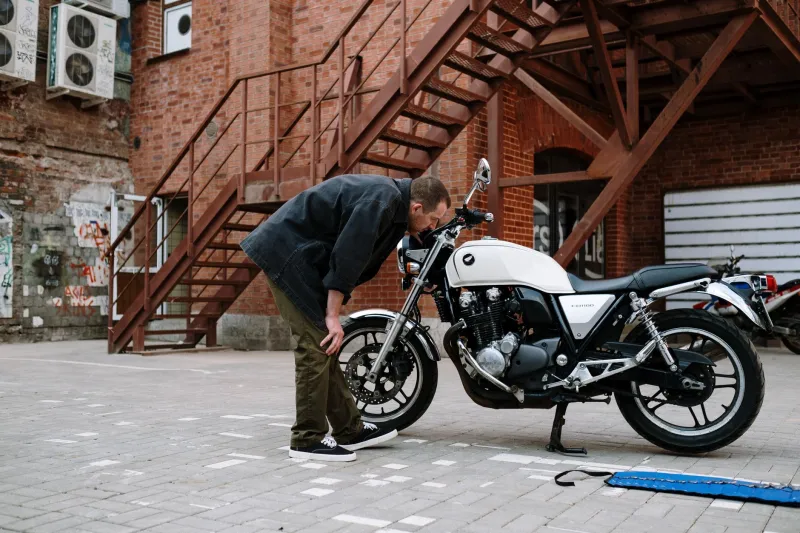
Built for the Worst, Ready for the Rest: How Honda's Tropical Engineering Gives American Riders a Hidden Advantage
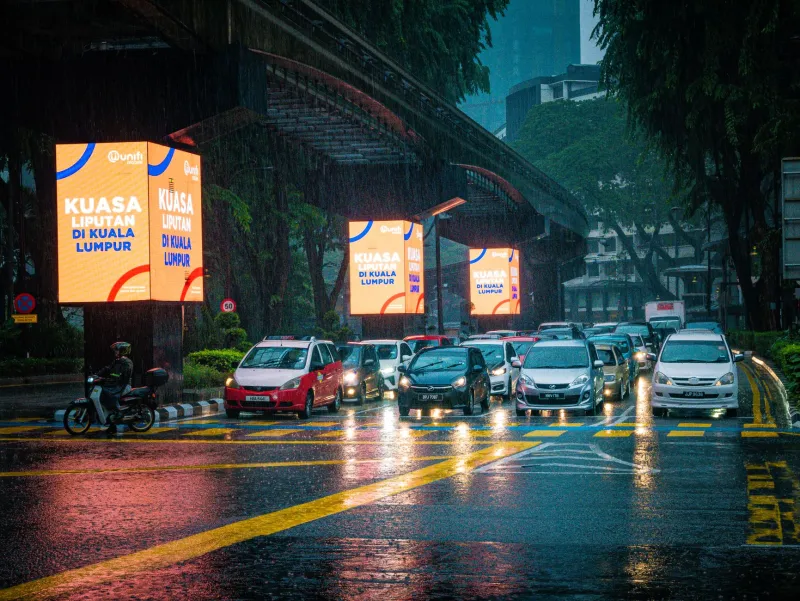
Most American motorcycle buyers approach a purchase with a familiar checklist: engine displacement, fuel economy, aesthetics, and price. What rarely enters the conversation is where—and under what conditions—the engineering philosophy behind that motorcycle was developed and stress-tested. For Honda owners, that question has a compelling answer, and it points squarely to cities like Bandung, Indonesia.
At Honda Motor Bandung, we work with these machines every day. We see what happens when a motorcycle faces equatorial heat, sudden downpours, stop-and-go traffic that would make a Los Angeles freeway look leisurely, and road surfaces that shift from smooth asphalt to cracked pavement within a single city block. What we have observed, consistently and over many years, is that Honda motorcycles engineered with these conditions in mind arrive on American shores with a durability advantage that most US riders simply do not realize they possess.
What Bandung's Roads Actually Demand
Bandung sits at roughly 2,400 feet of elevation in West Java, surrounded by volcanic highlands. The city experiences a tropical highland climate that delivers intense humidity, temperatures that hover between 65°F and 85°F year-round, and rainfall that arrives with little warning and extraordinary volume. During the wet season, water does not merely fall—it floods intersections, overwhelms drainage systems, and creates conditions that would prompt most North American riders to store their bikes for the season.
Yet in Bandung, motorcycles keep moving. Hundreds of thousands of them. They navigate flooded streets, idling for extended periods in traffic columns that stretch for kilometers, absorbing heat radiating off asphalt while simultaneously managing moisture intrusion from every direction. The motorcycles that survive and thrive under these conditions are not doing so by accident. They are doing so because Honda's engineering teams have spent decades designing components that can handle exactly this kind of abuse.
The Engineering Decisions That Cross Oceans
Consider the cooling systems on Honda's globally distributed lineup. Engines designed for Southeast Asian markets must manage thermal stress that North American engineers might consider an edge case. Extended idling in dense urban traffic generates heat profiles that differ substantially from highway cruising, which dominates many American riding scenarios. Honda's thermal management solutions—refined through real-world deployment in markets like Indonesia—result in engines that handle heat spikes with greater composure than designs optimized exclusively for open-road conditions.
Seal integrity is another area where tropical engineering pays dividends for US owners. Bandung's monsoon season demands that every gasket, every cable housing, every electrical connector be treated as a potential water intrusion point. The waterproofing standards applied to motorcycles intended for these markets exceed what dry-climate engineering alone would require. American riders who park through a Pacific Northwest winter or ride through a Midwestern thunderstorm are benefiting from design choices made with Indonesian rainfall in mind.
Corrosion resistance deserves particular attention. The combination of humidity and heat accelerates oxidation in ways that temperate climates do not replicate. Honda's material choices and protective coatings for tropical-market motorcycles reflect this reality. When those same motorcycles operate in the salt-air environments of coastal American cities—or face road salt during winter riding—they carry a corrosion-resistance profile that was built for something far more demanding.
Suspension and Frame: Designed for Imperfection
American highway infrastructure, for all its limitations, is still among the most consistent road surface environments in the world. Bandung offers no such consistency. A single commute might include smooth urban boulevards, deteriorating residential streets, speed bumps of varying heights, and sections of road where the pavement has been compromised by root growth or subsidence.
Honda's suspension tuning for these markets reflects a philosophy of resilience over refinement. The goal is not to deliver a perfectly calibrated ride on a perfectly calibrated road—it is to absorb unpredictability without compromising control or accelerating component wear. American riders who take their Hondas onto gravel shoulders, construction detours, or rural county roads are experiencing the downstream benefit of this design approach. The bike handles imperfection gracefully because imperfection was part of the original design brief.
What This Means at the Service Bay
At Honda Motor Bandung, our service technicians are trained to think about motorcycles as long-term investments rather than short-term conveniences. This perspective is shaped by the environment: a motorcycle that fails in Bandung traffic does not simply inconvenience a rider—it creates a problem in the middle of a dense, moving system. Reliability is not a marketing claim here; it is a daily operational requirement.
The practical implication for American Honda owners is that the machines they ride have been validated against a standard of real-world adversity that most US market conditions do not replicate. When your Honda's electrical system shrugs off a week of wet commuting, when your engine idles smoothly at a long traffic light on a hot summer afternoon, when your seals remain intact after years of seasonal temperature swings—these outcomes are connected to engineering decisions made with places like Bandung in mind.
A Different Way to Think About Your Motorcycle
Understanding the origins of your Honda's engineering does more than satisfy curiosity—it informs how you maintain and operate your machine. A motorcycle built to survive tropical conditions rewards owners who respect its engineering with exceptional longevity. Regular maintenance, attentive care of seals and electrical connections, and proactive service intervals allow that built-in resilience to express itself fully over the life of the bike.
American riders who treat their Hondas as the globally tested, tropically validated machines they actually are tend to experience fewer surprises and longer service lives. The engineering advantage is already present in your motorcycle. The question is simply whether you are riding in a way that allows it to work for you.
From the streets of Bandung to the highways of the United States, Honda's commitment to building motorcycles that endure has produced machines that carry more capability than their price tags suggest. That is not a coincidence. It is the product of engineering tested against some of the most demanding riding conditions on earth—and refined until it worked.