Service as a Relationship, Not a Transaction: The Indonesian Dealer Experience American Honda Owners Deserve
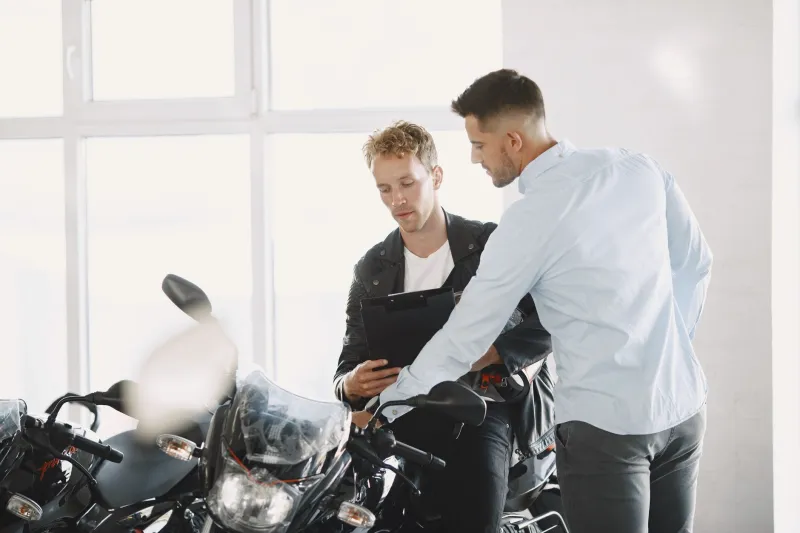
There is a moment that happens regularly at Honda Motor Bandung that would feel unusual, perhaps even awkward, in most American dealerships. A rider pulls in for a routine oil change. Before the service advisor reviews the maintenance record, they ask how the bike has been running—not as a scripted opener, but as a genuine question from someone who serviced that same motorcycle three months ago and noticed a minor chain tension issue they want to follow up on. The conversation that follows is less like a business transaction and more like a check-in between two people who share a common interest in keeping a machine healthy.
This is not an exceptional occurrence in Bandung. It is the baseline expectation.
For American Honda riders accustomed to impersonal service experiences—drop off the bike, receive a checklist, collect it hours later—the contrast is significant. And it raises a question worth sitting with: what are US riders actually losing by treating motorcycle maintenance as a logistical inconvenience rather than an ongoing relationship?
The Culture Behind the Counter
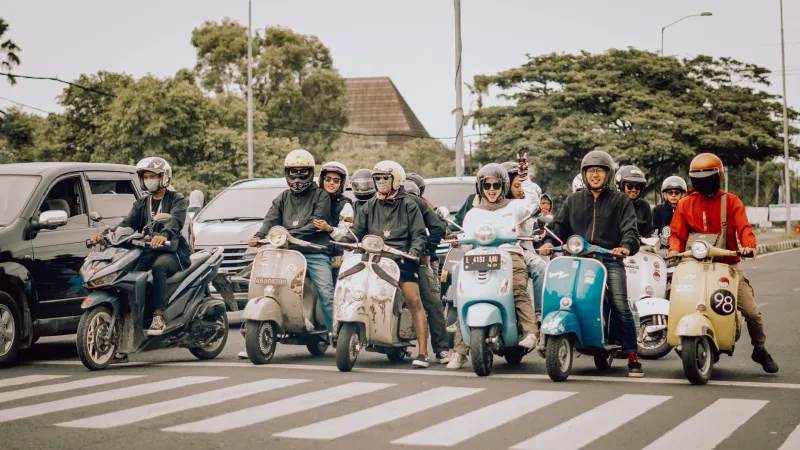
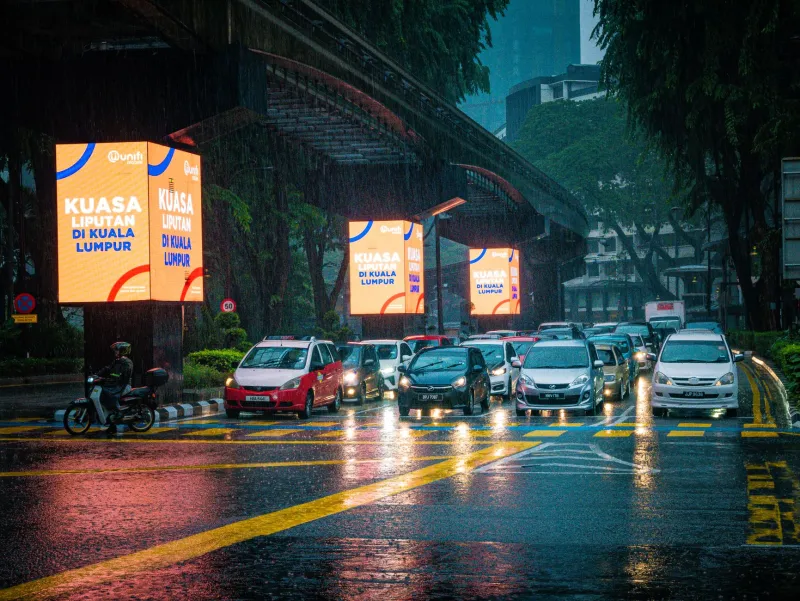
Motorcycles in Indonesia are not recreational luxuries for most riders. They are primary transportation—essential tools that connect people to their livelihoods, families, and communities. In Bandung, a city of over two million people with motorcycle density that would overwhelm most American urban planners, the stakes of a mechanical failure are immediate and practical. A bike that breaks down is not merely an inconvenience; it is a disruption to daily life with real consequences.
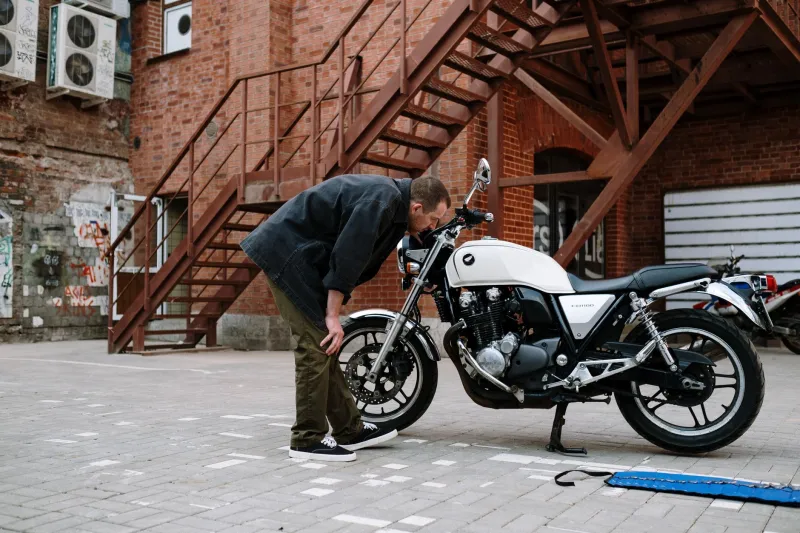
This reality shapes the culture inside Honda dealerships here in ways that go far beyond procedure. Service technicians develop an intimate familiarity with the machines they maintain because those machines matter deeply to the people who own them. When a customer returns every few months for scheduled service, the technician who worked on that bike previously has context that a fresh set of eyes cannot replicate. They know how this particular engine runs. They noticed a vibration pattern last time that has since resolved—or hasn't. That institutional knowledge, accumulated over years of repeat visits, is genuinely valuable.
American dealership culture, shaped in part by high customer turnover and an emphasis on service volume, often sacrifices this continuity. Riders rotate between service centers based on convenience or promotions. Technicians change. Records exist in systems but context lives in people—and when people change, context disappears.
Proactive Maintenance as a Community Value
One of the most distinctive aspects of the service culture at Honda dealerships in Bandung is the emphasis on proactive communication. Riders are not simply informed of what was done to their motorcycle—they are educated about what was found, what to watch for, and what will likely need attention at the next interval. This is not upselling. It is knowledge transfer, and it reflects a belief that an informed owner is a better steward of their machine.
This approach extends beyond the service bay into the broader community. Honda owners in Indonesia frequently share maintenance knowledge within neighborhood groups, online forums, and informal riding communities. A piece of advice offered by a trusted mechanic travels quickly through social networks, raising the general level of mechanical awareness among riders who might never have sought that information independently.
Compare this to the American experience, where many Honda owners candidly admit they follow maintenance schedules only loosely, often waiting until a warning sign appears before scheduling service. The motorcycle is capable of telling you a great deal about its condition before a problem becomes serious—but only if the owner is attentive enough to listen, and only if their service relationship has given them the vocabulary to understand what they are hearing.
What Long-Term Stewardship Actually Looks Like
At Honda Motor Bandung, we think about motorcycle ownership in terms of decades, not years. A well-maintained Honda, serviced consistently and attentively, can deliver reliable performance for a remarkably long time. This is not merely a sales point—it is something we observe in the machines that come through our service bays regularly. The motorcycles with the best long-term outcomes are almost always connected to owners who have maintained consistent service relationships and who treat each visit as an opportunity to understand their bike more deeply.
American riders have access to the same machines and the same engineering. What they often lack is the relational framework that transforms routine maintenance into genuine stewardship. Finding a single trusted service center—and returning to it consistently—is a simple starting point. Asking questions during service visits, rather than simply approving the estimate and waiting, is another. Engaging with local Honda riding communities, whether through clubs, online groups, or organized rides, builds the kind of shared knowledge base that Indonesian riders benefit from naturally.
A Challenge to US Dealer Culture
This is not an indictment of American Honda dealerships. Many employ skilled, dedicated technicians who take genuine pride in their work. The issue is structural: a service culture optimized for throughput does not naturally produce the conditions for relationship-building. Changing that requires intentionality from both sides of the counter.
Dealerships that invest in technician continuity—assigning returning customers to familiar service staff where possible—create the conditions for the kind of contextual knowledge that defines the Bandung experience. Riders who commit to a single service relationship, communicate openly about how their bike has been behaving, and engage with service recommendations as conversations rather than upsells will find that the quality of their maintenance experience improves substantially.
The motorcycle you ride was engineered to last. The service culture you participate in determines whether it actually does.
Bringing the Bandung Standard Home
You do not need to travel to West Java to benefit from what Honda dealerships here have refined over years of community-centered service. You need only to approach your next service visit differently—with curiosity, with continuity, and with the understanding that the person working on your motorcycle is a resource, not just a service provider.
At Honda Motor Bandung, that relationship is the foundation of everything we do. We believe American Honda riders deserve the same experience. The machines are already exceptional. The service culture around them can be too.