What the Next Buyer of Your Honda Will Demand—And Why Most American Owners Aren't Ready to Answer
Something has changed in the used Honda market. It's not dramatic, and it doesn't make headlines, but anyone who has recently tried to sell a motorcycle in the United States has likely felt it. Buyers are asking harder questions. They want receipts. They want dates, mileage intervals, part numbers, and technician notes. They want, in short, exactly the kind of documentation that most American Honda owners have never thought to keep.
Where is this expectation coming from? The answer is more global than most sellers anticipate.
A Market That Has Started Doing Its Homework
For years, the informal handshake sale dominated the American used motorcycle market. A seller would vouch for the bike's condition, a buyer would take it for a short ride, and the transaction would close on goodwill and gut instinct. That era isn't entirely gone, but it is eroding—particularly among buyers who have done any meaningful research online.
Forum threads, YouTube reviews, and international motorcycle communities have given American buyers exposure to ownership cultures they previously had no window into. Indonesian riders, for example, have long maintained what can only be described as institutional-grade service records for their personal motorcycles. In cities like Bandung, where Honda motorcycles function as essential daily transportation rather than weekend leisure, the service logbook is treated with the same seriousness an American might reserve for a vehicle title or a home inspection report.
When American buyers encounter this standard—even secondhand, through online communities—it recalibrates their expectations. They begin to wonder why their domestic seller cannot produce what a rider in West Java considers completely routine.
What Bandung Technicians Record That American Shops Often Skip
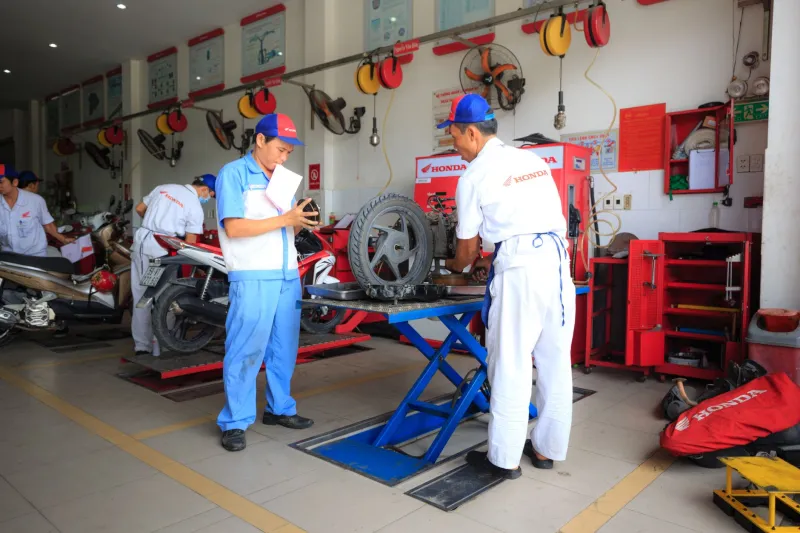
At Honda Motor Bandung, the documentation process for every service visit is structured and consistent. A technician does not simply change the oil and hand the bike back. The service record reflects the specific grade of oil used, the mileage at the time of service, the condition of components that were inspected but not replaced, and any observations about wear patterns that may require attention at a future interval.
This level of detail serves a purpose that goes well beyond the immediate service appointment. It creates a longitudinal record of the motorcycle's mechanical life—a timeline that any future owner can read and trust. When that motorcycle eventually changes hands, the buyer is not being asked to take the seller's word for anything. The paper trail speaks for itself.
Compare this to the documentation standard at a typical American service center, where the work order may record little more than the service type, the date, and the total cost. Wear observations, component-specific notes, and technician assessments are often absent entirely. The buyer inheriting this history receives a receipt, not a record.
The Resale Gap Is Widening
The financial consequences of this documentation disparity are becoming measurable. In private Honda sales where the seller can produce a complete, chronological service history with detailed entries, asking prices hold more firmly. Negotiations tend to be shorter and less contentious. Buyers who arrive prepared to haggle often find less leverage when the maintenance record answers their concerns before they can voice them.
Conversely, sellers with sparse or missing documentation increasingly face two unfavorable outcomes: they either accept a lower price to compensate for the uncertainty they're asking the buyer to absorb, or the sale falls through entirely when a cautious buyer walks away rather than assume the risk.
This is not speculation. It reflects a straightforward principle that the Bandung dealer community has understood for years: a motorcycle's service history is a financial asset, and its absence is a financial liability. American Honda owners are only beginning to internalize this truth.
The Buyer Profile Has Changed
Part of what is accelerating this shift is the profile of who is buying used Hondas in the United States today. Younger buyers, in particular, approach major purchases with a research-first mentality that older market participants may not have encountered. They have read ownership threads. They have watched teardown videos. They understand what a neglected valve clearance looks like and what deferred coolant maintenance costs to correct.
This buyer is not going to be reassured by a seller's confident tone. They want documentation, and they know what credible documentation looks like because they have seen examples of it—often from international riders whose standards exceed what domestic dealers have historically provided.
For sellers who haven't maintained records, this creates an uncomfortable moment of reckoning. The bike may be in genuinely excellent condition, but without the paperwork to support that claim, the buyer has no rational basis for paying a premium price.
Building a Record That Can Actually Protect Your Investment
The good news is that the gap between current American documentation habits and the Bandung standard is not impossible to close. It requires discipline and consistency, but the mechanics of it are straightforward.
Every service visit should be recorded with specificity. Not just "oil change" but the oil specification, the mileage, the filter brand, and any observations about the bike's condition at that moment. Air filter inspections, brake pad thickness measurements, chain tension adjustments—these details cost nothing to note and compound in value over time.
Owners who are starting from a documentation deficit should not be discouraged. Beginning a rigorous record now, even mid-ownership, demonstrates a commitment to transparency that buyers recognize and respect. A partial history with detailed recent entries is meaningfully better than no history at all.
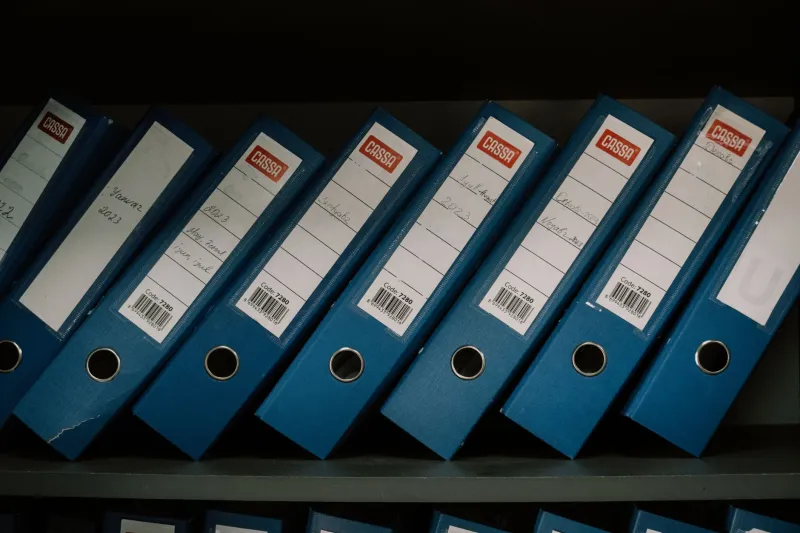
Digital records have their place, but physical logbooks carry a credibility that a folder of email receipts often cannot match. There is something about a handwritten entry, signed by a technician and stamped by a service center, that communicates seriousness in a way that a PDF attachment does not.
The Standard Is Moving Whether American Owners Are Ready or Not
The used Honda market in the United States is not going to return to its former tolerance for documentation gaps. The buyers entering the market now have been shaped by information environments that expose them to global ownership standards, and those standards are higher than what most American dealers have traditionally delivered.
At Honda Motor Bandung, the philosophy has always been that a well-documented motorcycle is a well-protected investment. That principle travels. It does not require a tropical climate or a high-density urban riding culture to apply. It requires only that owners treat their maintenance records as seriously as they treat the machines themselves.
The next person who buys your Honda will ask for documentation. The question is whether you will be ready to provide an answer that closes the deal—or one that reopens the negotiation.